
Intro
Are you tired of living paycheck to paycheck? Do you struggle to make ends meet and find yourself drowning in debt? It’s time to take control of your finances and adopt a more frugal lifestyle. Living frugal doesn’t mean sacrificing all the things you love, but rather finding ways to cut back and look for savings in your everyday life. In this blog post, we will discuss 7 simple habits on how to live frugal and stay debt-free. By implementing these tips, you’ll be able to make every cent count and achieve financial stability.

Creating and Sticking to a Budget
Why Budgeting Is the Foundation of Financial Stability
A budget is the roadmap of your financial life. It tells your money where to go instead of leaving you wondering where it went. Creating a budget helps you understand your spending habits and ensures that every peso has a purpose.
How to Build a Practical and Realistic Budget
Start by calculating your total monthly income from all sources. Then list your essential expenses—rent, utilities, groceries, transportation, insurance—followed by non-essentials such as entertainment and shopping. Allocate a portion for savings and emergency funds. The key is to make your budget realistic enough that you can follow it consistently.
Tracking and Adjusting as Needed
A budget isn’t a one-time project; it needs regular review. Track your daily expenses and evaluate them weekly. If a category is too tight or too loose, adjust accordingly. The goal is progress, not perfection. Consistency is what makes your budget effective long-term.

Shop Smart and Cut Unnecessary Expenses.
Identifying Spending Triggers
Most people don’t overspend intentionally—instead, emotional triggers or impulse purchases cause leaks in the budget. Recognize the moments when you’re likely to overspend, such as late-night online browsing or stress shopping.
Smart Shopping Strategies You Can Start Today
Use price comparison apps, buy store brands instead of big-name labels, and take advantage of cashback platforms or coupons. Plan your shopping trips with a list to avoid buying items you don’t need. And always ask yourself: “Do I really need this, or do I just want it?”
The Power of Saying ‘No’
Cutting unnecessary expenses requires discipline. Learn to say no to items or habits that don’t add value to your life. Small sacrifices today lead to much bigger financial rewards in the future.
Adopt a Do-It-Yourself Attitude
How DIY Helps You Save More
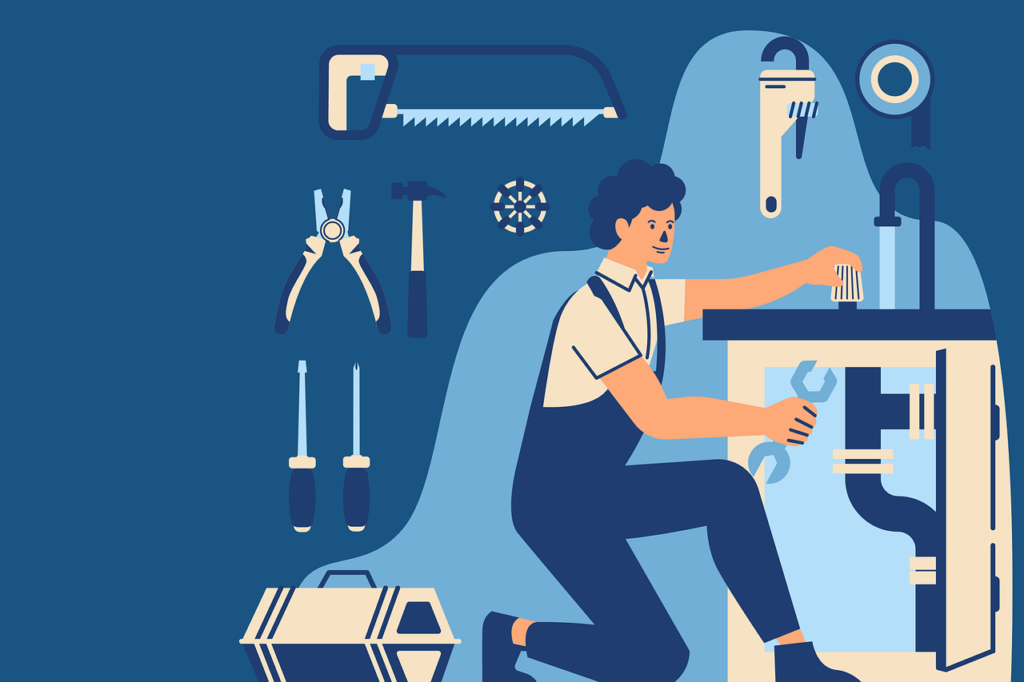
Many things you pay for can actually be done on your own—cleaning, basic repairs, home improvements, or even cooking your meals. DIY not only saves money but also builds valuable skills over time.
Learning Skills Through Free Online Resources
Thanks to platforms like YouTube and online forums, learning how to fix, build, or create something has never been easier. Whether it’s repairing a leaking faucet or crafting homemade décor, these skills help reduce everyday expenses.
The Satisfaction of Self-Sufficiency
Doing things yourself makes you feel more capable and independent. It also helps you appreciate your belongings more, reducing waste and encouraging mindful consumption.

Reduce Energy Consumption
Why Energy Efficiency Matters
Electricity bills can eat up a significant portion of your monthly budget. Reducing your energy use not only saves money but also benefits the environment, making it a win-win.
Practical Ways to Lower Your Utility Bills
Turn off lights and appliances when not in use, unplug chargers, use LED bulbs, and schedule appliances with timers. Set air conditioners to energy-saving mode, and try natural ventilation whenever possible. Small changes add up quickly.
Long-Term Savings Through Smart Investments
Investing in energy-efficient appliances, solar-powered lights, or proper insulation may require upfront costs but will significantly reduce your bills over the long run.

Saving on Transportation Costs
Exploring Affordable Commuting Options
Transportation is another major monthly expense. Consider using public transportation, carpooling, biking, or even walking if the distance allows. These habits can save you thousands every year.
Maintaining Your Vehicle to Avoid Costly Repairs
If you drive, regular maintenance—oil changes, tire checks, engine inspections—helps prevent expensive repairs. A well-maintained vehicle consumes less fuel and lasts longer.
Planning Your Trips Wisely
Combine errands into one trip to reduce fuel costs. Avoid rush hour traffic when possible, as idling consumes more fuel and wastes time. Efficient planning leads to lower expenses and less stress.

Embrace Minimalism
Understanding the Minimalist Mindset
Minimalism is not about owning nothing—it’s about owning only what adds value to your life. By decluttering your space and your spending habits, you make room for what truly matters.
The Financial Benefits of Living with Less
A minimalist lifestyle reduces impulse buying and saves you from accumulating unnecessary items. Less clutter means less maintenance, less cleaning, and less waste—all of which contribute to long-term financial savings.
How Minimalism Improves Your Quality of Life
Minimalism creates mental clarity. It encourages intentional living and helps you focus on experiences, relationships, and goals rather than material possessions.

Develop a Saving and Investing Habit
Why Saving and Investing Go Hand in Hand
Saving protects your financial security, while investing grows your wealth. Developing both habits ensures that you have funds for emergencies and long-term financial goals like retirement, business expansion, or homeownership.
Setting Up Automatic Savings and Investments
Automate monthly transfers to a savings account or investment platform. Even small recurring amounts—₱1,000 or ₱2,000 monthly—can grow significantly through compound interest.
Educate Yourself on Financial Tools
Learn the basics of stocks, bonds, index funds, and mutual funds. The more you understand, the more confident you’ll be in managing and growing your money. Remember: consistency, not speed, builds financial success.
Click here if you would like to learn more about personal finance.



Pingback: 7 Proven Ways to Get Out of Debt on a Low Income – Esvea Accounting bookkeeping