
Balance Sheets 101: What They Reveal About Your Business
The balance sheet is a fundamental financial statement in accounting that organizes a company’s resources and obligations, providing a structured view of its financial position at a given moment. It categorizes assets, liabilities, and equity, allowing business owners to analyze how resources are allocated and financed. This financial reporting document relies on the principle that total assets must equal the sum of liabilities and equity, ensuring that the company’s financial picture remains consistent.
Why Balance Sheets Matter
Balance sheets help business owners, investors, and lenders evaluate financial stability and liquidity. They show whether your company can meet short-term obligations and how efficiently it uses resources. Regularly reviewing your balance sheet can highlight trends, such as rising debt levels or increasing asset value.
Key Components
- Assets: Cash, inventory, equipment, and accounts receivable.
- Liabilities: Loans, accounts payable, and accrued expenses.
- Equity: Owner’s investment and retained earnings.
By analyzing these elements, business leaders can make strategic decisions about expansion, cost management, or financing options.
Income Statements: Measuring Profitability Accurately
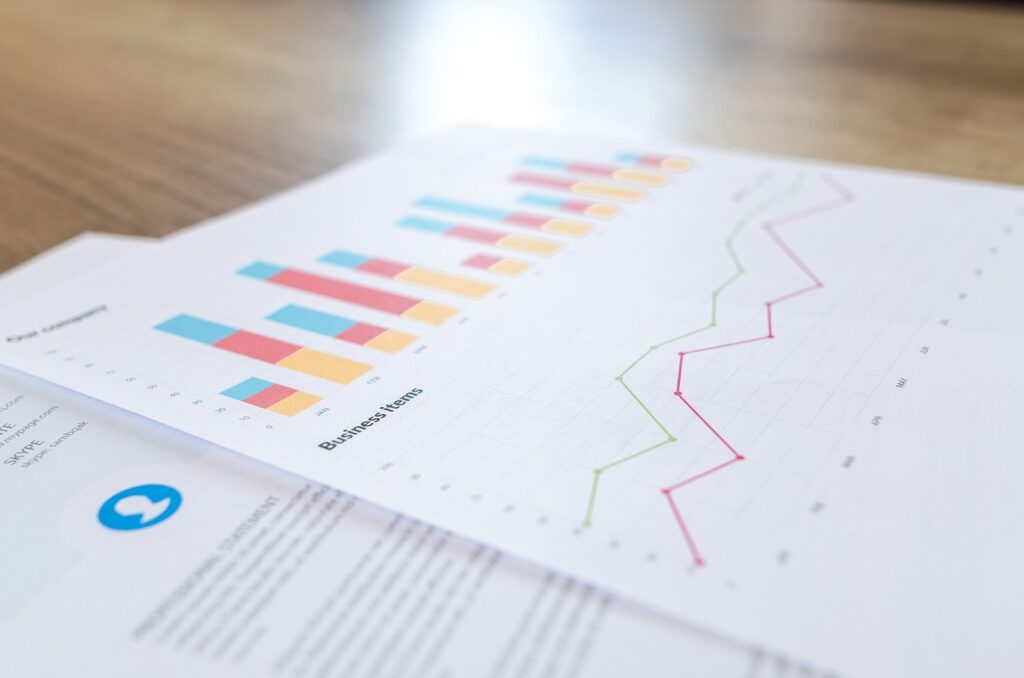
The income statement, also known as the profit and loss statement (P&L), offers a comprehensive breakdown of a company’s financial performance by tracking revenues, expenses, and profitability over a specified time frame. As one of the primary financial statements in accounting, it focuses on how well the business is generating income from its core operations and identifies areas where operational adjustments might be needed.An income statement, also called a profit and loss statement, measures your business’s revenue, expenses, and net profit over a period of time.
How to Read an Income Statement
Start by looking at total revenue, then subtract the cost of goods sold (COGS) to determine gross profit. Next, deduct operating expenses to calculate operating income, and finally subtract taxes and interest to find net profit.
Importance for Business Strategy
Income statements provide insight into profitability and cost management. By comparing statements month-over-month or year-over-year, you can identify trends, spot inefficiencies, and make data-driven decisions to improve margins.

Cash Flow Statements: The Lifeblood of Business Finance
The cash flow statement tracks the movement of cash into and out of a business, focusing on the timing and availability of funds. It is divided into three categories: operating activities, investing activities, and financing activities, which together provide a detailed look at how cash flow is managed and utilized within the company. Cash flow statements track the movement of money into and out of your business. Unlike balance sheets or income statements, cash flow statements show actual liquidity, which is critical for daily operations.
Types of Cash Flow
- Operating Activities: Cash generated from core business operations.
- Investing Activities: Cash spent on equipment or investments.
- Financing Activities: Cash from loans, investor contributions, or dividends.
Monitoring cash flow ensures your business can cover payroll, pay vendors, and invest in growth opportunities without running into shortfalls.
Why Cash Flow Is More Than Profits
A profitable business can still fail if it runs out of cash. Regularly reviewing your cash flow helps anticipate shortfalls, plan for seasonal dips, and make smarter financial decisions.

Common Errors in Financial Reporting and How to Fix Them
Mistakes in financial reporting can lead to significant problems, including misinformed decisions, compliance issues, and a distorted view of a company’s financial performance. Some frequent issues arise from incorrect handling of revenue recognition, misclassification of costs, and improper treatment of inventory valuation. Addressing these challenges requires careful attention to detail and adherence to recognized accounting standards.
One common mistake is recording revenue at the wrong time. This often happens when businesses recognize revenue before the goods or services are delivered or when contractual obligations aren’t fully met. Such errors can inflate earnings and provide an inaccurate financial picture. Ensuring that revenue recognition follows clear guidelines, such as those outlined in GAAP (Generally Accepted Accounting Principles), is essential. Establishing standardized processes for invoicing, billing, and tracking completed work can help mitigate these errors.
Typical Errors
- Misclassified expenses that distort profitability.
- Incomplete revenue recognition that affects net income.
- Omitted liabilities that misrepresent financial health.
- Calculation mistakes in key ratios or totals.
How to Correct These Errors
Implementing regular reconciliations, using accounting software, and performing periodic audits can minimize mistakes. Encourage clear documentation and staff training to ensure accurate reporting.
The Benefits of Accuracy
Accurate financial reporting improves decision-making, strengthens credibility with stakeholders, and helps your business plan effectively for growth and sustainability.



Pingback: High-Paying Accounting Niches to Explore in 2025 – Esvea Accounting ® bookkeeping services