
Setting SMART Financial Goals
Setting financial goals is one of the most powerful steps toward achieving financial freedom—but success comes from more than just ambition. It requires structure, clarity, and commitment. The SMART goal-setting method—which stands for Specific, Measurable, Achievable, Relevant, and Time-bound—provides a proven framework to turn your money goals into actionable plans that actually work.
Start by making your goals specific. Instead of vague intentions like “I want to save money,” clearly define your purpose and the exact amount you need. For example, “I want to save $15,000 for a wedding in three years.” The more precise your goal, the easier it becomes to stay focused and create a clear savings roadmap.
Next, make your goal measurable by breaking it into smaller, trackable milestones. If you’re saving $15,000 over three years, that’s about $417 per month. Regularly reviewing your progress—monthly or quarterly—keeps you motivated and ensures you stay on target.
Ambition is great, but your goals must also be achievable. Set realistic targets based on your income, expenses, and financial obligations. Overly aggressive goals can cause frustration, while goals that are too easy may limit your growth. Evaluate your financial situation and adjust as needed to maintain momentum without burnout.
Relevance matters too. Your goals should align with your financial priorities and personal values. If travel, homeownership, or debt reduction are top priorities, focus your efforts there. Choosing meaningful goals makes saving feel purposeful rather than restrictive.
Every SMART goal also needs to be time-bound. A clear deadline—like “I’ll save $5,000 in 12 months”—adds urgency and accountability. Without a time frame, it’s easy to lose focus or delay progress.
Break large goals into smaller, manageable steps and integrate them into your budgeting plan. Assign specific funds toward your objectives and ensure every dollar serves a purpose. Consistency is key, but flexibility is equally important—review your goals every few months to adjust for life changes or new priorities.
Finally, celebrate your progress. Recognizing milestones along the way—like reaching your first $1,000 saved—helps keep you motivated. Choose small, budget-friendly rewards that reinforce positive financial habits without derailing your savings plan.
By applying the SMART method and staying disciplined, you can turn your financial aspirations into tangible results—one clear, well-structured goal at a time.

Automating Your Savings Plan for Success
Building a savings habit can be challenging, especially when everyday expenses compete for your attention. Automating your savings is one of the smartest and easiest ways to stay consistent with your financial goals. By setting up automatic transfers, you’re essentially paying yourself first—making saving money a built-in part of your financial planning instead of an afterthought.
Start by deciding on a specific amount to transfer regularly. Even if you begin small, consistency is what truly matters. Choose a schedule that fits your income cycle—weekly, bi-weekly, or monthly—to make the process smooth and manageable. As your finances improve, you can gradually increase your contributions to accelerate your savings growth.
Most banks and financial apps now make automating savings effortless. You can schedule recurring transfers from your checking account to a dedicated savings account or money market fund. Some platforms even let you create multiple “savings buckets” for different goals, such as an emergency fund, vacation savings, or a future down payment. This not only keeps your money organized but also lets you visualize your progress toward each financial target.
Beyond standard transfers, explore micro-savings tools that round up your purchases to the nearest dollar and save the spare change automatically. Though small, these incremental savings can grow substantially over time—helping you build wealth effortlessly while maintaining your usual spending habits.
If your employer offers direct deposit, consider routing a portion of your paycheck directly into a savings or retirement account. This strategy removes temptation, since the money never hits your checking account. Keeping your savings “out of sight, out of mind” helps them grow faster and discourages unnecessary spending.
For long-term financial goals, automate contributions to an investment account such as a 401(k) or IRA. Consistent, automatic deposits allow you to build an investment portfolio steadily and take advantage of compounding returns. Make sure to choose investment options that align with your financial objectives and risk tolerance to maximize growth potential.
To keep things balanced, coordinate your automated savings with your budget. Schedule transfers around your income dates and essential expenses like rent, groceries, and bills to avoid overdrafts or cash shortages. Regularly reviewing your budget ensures that your savings plan stays practical and sustainable.
One of the greatest benefits of automation is that it eliminates emotional decision-making. You don’t have to debate whether to save or spend—the transfer happens automatically. This “set it and forget it” approach allows your financial goals to progress in the background while you focus on living your life.
Finally, revisit your settings periodically. As your income grows or your goals change, adjust your automated transfers accordingly. Even small increases—like boosting your savings by 5% after a raise—can lead to long-term financial success and greater peace of mind.

Balancing Short-Term Wants with Long-Term Needs
Balancing your short-term desires with long-term financial goals is all about making intentional money choices that let you enjoy the present without sacrificing your financial future. The key is to understand your priorities and build a financial plan that supports both immediate enjoyment and lasting stability.
Start by identifying what matters most to you right now versus what will have a long-term impact on your financial security. Short-term wants often include dining out, shopping, or weekend entertainment, while long-term goals might involve saving for retirement, building an emergency fund, or putting money toward a home down payment. Once you’ve clarified your priorities, assign a purpose to every peso or dollar—dividing your income between present comforts and future growth.
A well-structured budget plan lays the foundation for achieving this balance. Begin by covering essentials like housing, utilities, and food. Then, dedicate a fixed percentage of your income to savings and investments to ensure your financial goals stay on course. The rest can go toward discretionary spending—allowing you to enjoy life’s small pleasures guilt-free while keeping your finances healthy.
Practicing mindful spending helps you make deliberate financial decisions. Before buying something, ask yourself if it aligns with your priorities or simply satisfies an impulse. This doesn’t mean you can’t indulge—it means you’re choosing experiences and purchases that genuinely add value to your life.
A practical step is to distinguish between needs and wants. Needs are essential—rent, utilities, and groceries—while wants include non-essentials like streaming subscriptions or daily café visits. Small adjustments, such as brewing coffee at home or choosing free leisure activities, can free up extra funds for long-term savings or investments.
Set clear spending limits within your budget for categories that bring you joy. If you love to travel, for example, dedicate a set amount each month for trips. Planning ahead allows you to satisfy your passions responsibly without derailing your financial plan. Likewise, if you enjoy a specific hobby or luxury item, include it as a planned expense rather than an impulsive splurge.
Regularly reviewing your financial habits is essential. Your values and goals will evolve over time, so revisit your budget and spending patterns to ensure they still align with what’s important to you. Adjusting as needed keeps your finances flexible yet purposeful.
Leverage budgeting apps and financial tools to track your spending and savings. Many apps categorize expenses automatically, set spending alerts, and provide valuable insights into your money flow. These tools make it easier to identify overspending and redirect those funds toward your financial goals.
Remember, financial balance doesn’t mean perfection. There will be times when unexpected expenses arise or opportunities feel too good to pass up. What matters most is how you adapt—making thoughtful choices that keep your long-term financial health on track while still allowing space for enjoyment and fulfillment.

Investing vs. Saving: Which to Prioritize
When deciding between saving and investing, it’s essential to understand the unique roles each plays in your overall financial planning. Both are crucial to achieving financial stability, but the right choice depends on your goals, time frame, and comfort with risk.
Savings are ideal for short-term goals and unexpected expenses. Keeping cash in an easily accessible account ensures you’re prepared for emergencies such as medical bills, car repairs, or sudden income loss. A solid rule of thumb is to maintain an emergency fund that covers three to six months of essential living expenses. Savings accounts also work best for short-term goals you expect to reach within a few years—like planning a vacation, paying for a wedding, or saving for a home down payment. Because savings are typically stored in low-risk accounts, such as traditional savings or money market accounts, they offer security and stability but limited growth.
Investing, on the other hand, is better suited for long-term financial goals where time is on your side. Through the power of compound interest and market growth, investing allows your money to multiply over time—often at a rate much higher than traditional savings accounts. This makes it ideal for building long-term wealth, funding your child’s education, or preparing for retirement. However, investments come with varying degrees of risk, so it’s important to assess your risk tolerance and diversify your portfolio with assets like stocks, bonds, ETFs, or mutual funds that align with your financial objectives.
A common question many people ask is whether to save or invest first. The best approach is to focus on savings initially—specifically, building your emergency fund. Having this safety net protects you from having to liquidate your investments during tough times, which could result in losses. Once your emergency fund is complete, you can begin channeling more of your income into investments for long-term growth.
Finding the right balance between saving and investing is key to sustainable financial success. If your budget allows, try to allocate money toward both. For instance, you might direct a set percentage of your income toward savings for short-term goals, while dedicating another portion to your investment portfolio for the future. The ideal split depends on your priorities, lifestyle, and timeline for achieving your financial targets.
It’s also wise to revisit your financial plan regularly. As your income increases—through a raise, promotion, or bonus—you can adjust your contributions to savings and investments accordingly. Likewise, once you reach certain milestones, such as completing your emergency fund, you can shift your focus toward more aggressive investment strategies that support long-term financial independence.
Ultimately, the best approach is to blend both strategies—saving for security and investing for growth. This balanced method ensures that you’re protected against life’s surprises today while steadily building wealth and financial freedom for the future.
Click here to know about Accounting.


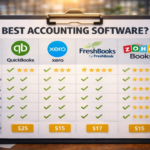
Pingback: How to Choose the Right Accounting Software for Your Business – Esvea Accounting ® bookkeeping services