
When you are running a business, bookkeeping often gets pushed to the bottom of the list. Sales, marketing, client work, and operations feel more urgent. But ignoring your numbers can create bigger problems later. The key is not spending hours buried in spreadsheets. It is building simple habits that keep your finances organized without draining your time. This guide covers how to create a weekly accounting routine, when to automate tasks, how to separate business and personal finances, and how to avoid year-end stress.
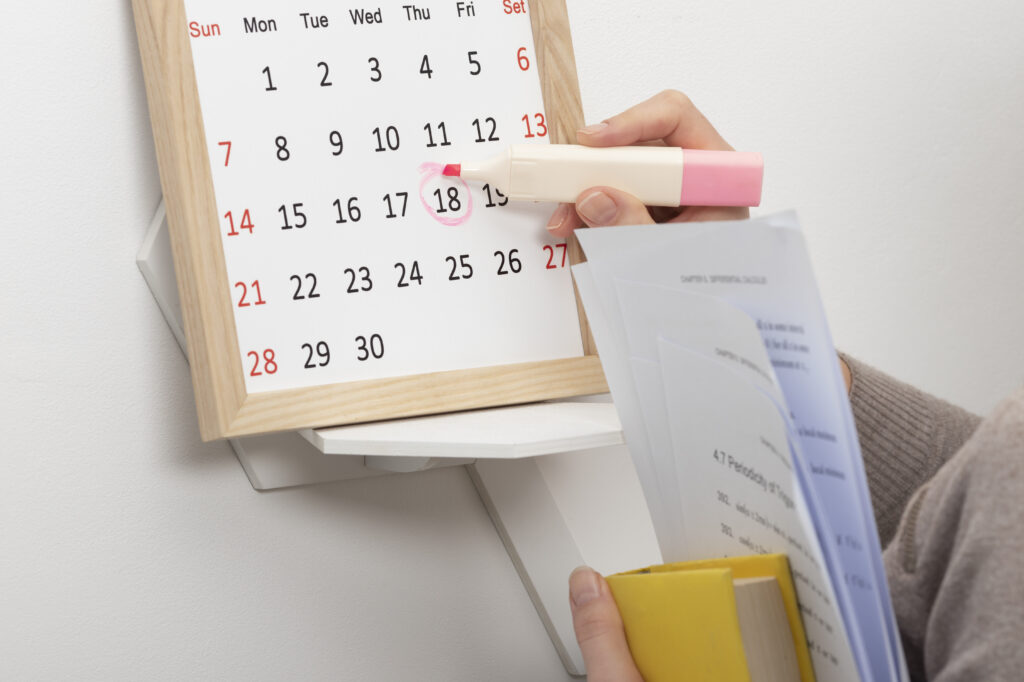
How to create a weekly accounting routine
Set a fixed bookkeeping day and time
Consistency matters more than duration. Block out a specific time each week, even if it is only thirty minutes. Treat it like a client appointment that cannot be skipped.
Review income and categorize expenses
Start by checking incoming payments and making sure they are recorded correctly. Then categorize expenses from your bank feed or receipts. Doing this weekly prevents transactions from piling up.
Reconcile your bank balance regularly
Compare your accounting software balance to your actual bank balance. This helps you catch errors, duplicate entries, or missed transactions early.
Scan for unusual charges
A quick review of transactions helps you identify subscription renewals, unexpected fees, or fraudulent charges. Catching these early saves money and stress.

When to automate and when to do things manually
Automate repetitive tasks
Bank feeds, recurring invoices, and automatic expense categorization can save hours each month. Automation works best for predictable and repetitive transactions.
Manually review important entries
Not every transaction should be left on autopilot. Large purchases, unusual expenses, or complex payments deserve a manual review to ensure accuracy.
Use automation as support, not replacement
Automation reduces workload, but it does not replace oversight. A quick weekly check ensures your system stays clean and reliable.
Avoid overcomplicating your system
Some entrepreneurs add too many apps and tools. Start simple. Add automation only when it clearly saves time and improves accuracy.

Easy ways to keep business and personal separate
Open a dedicated business bank account
Mixing personal and business transactions creates confusion and makes tax preparation harder. A separate account keeps records clean from day one.
Use a separate business credit card
Charging business expenses to a dedicated card makes tracking easier and provides a clear transaction history.
Pay yourself properly
Instead of casually transferring money, set a structured owner draw or payroll system. This creates clarity and cleaner records.
Avoid using personal accounts for quick purchases
Even small business purchases made from personal accounts create extra bookkeeping work later. Keep everything flowing through your business accounts.

How to avoid year-end catch-up stress
Do small updates throughout the year
Waiting until tax season to organize everything creates unnecessary pressure. Weekly or monthly updates make year-end reporting much easier.
Keep digital copies of receipts
Scan or photograph receipts and store them in organized folders. Many accounting tools allow you to attach receipts directly to transactions.
Review financial reports quarterly
Looking at your profit and loss statement and balance sheet every few months helps you spot trends and make adjustments before year-end.
Work with a professional before tax season
Meeting with an accountant before the year ends allows time for adjustments and planning instead of scrambling at the deadline.

Staying in control without feeling overwhelmed
Bookkeeping does not need to consume your schedule. With a simple weekly routine, smart automation, clean account separation, and steady organization, you can stay on top of your numbers without stress. The goal is not perfection. It is consistency. When your books are current, you make better decisions and head into year-end with confidence instead of panic.