
Debt can feel heavy, especially when balances, due dates, and interest charges start piling up. The good news is that with the right plan, becoming debt-free is possible and often faster than many people think. Managing debt starts with understanding what you owe, choosing a repayment method that fits your goals, and building habits that prevent future financial stress. With consistency and patience, you can take control of your finances and move toward long-term stability.
Listing and Prioritizing Your Debts
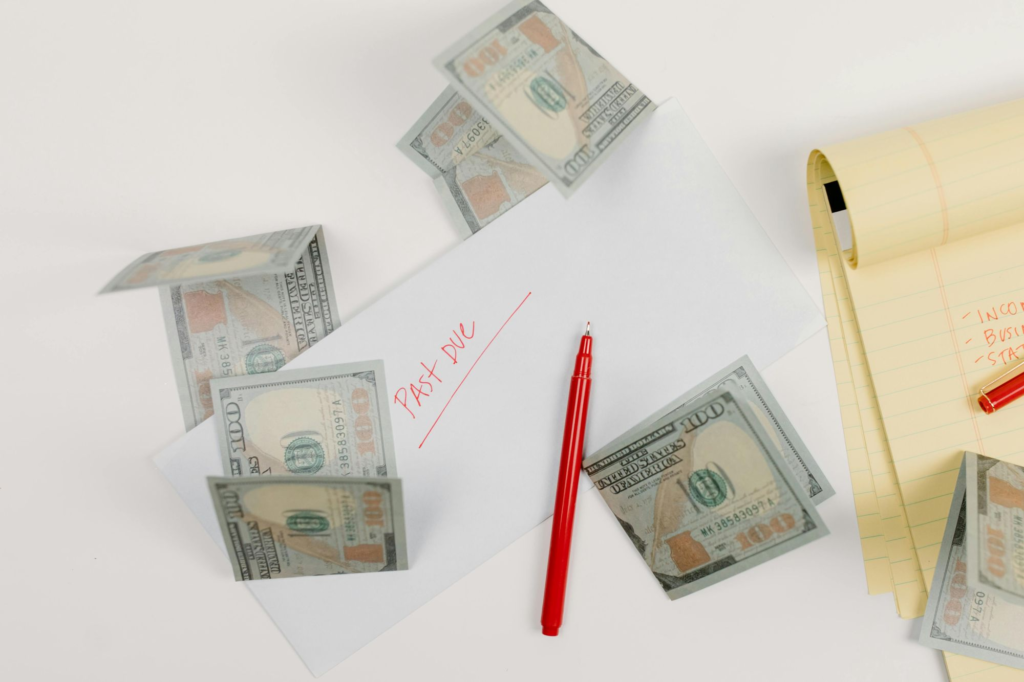
The first step in debt management is creating a full list of everything you owe. Include credit cards, personal loans, car loans, student loans, and any other balances. Write down the total amount owed, monthly minimum payment, due date, and interest rate for each account. Seeing the full picture helps you understand where your money is going each month. Once listed, prioritize debts based on urgency, cost, or emotional motivation. Some people focus on high-interest balances first, while others prefer paying smaller debts to gain momentum.
Snowball vs Avalanche Method
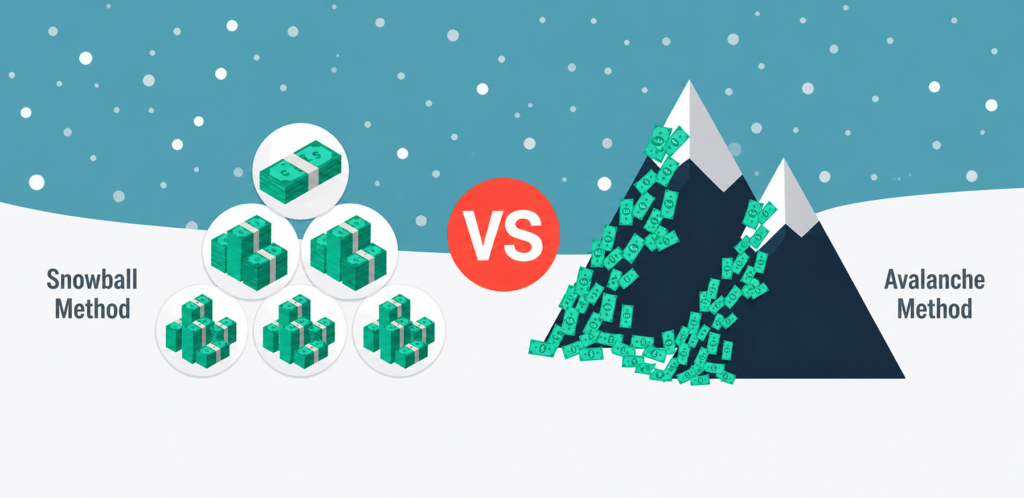
Two of the most common repayment strategies are the snowball and avalanche methods. The snowball method focuses on paying off the smallest balance first while making minimum payments on the rest. Once the smallest debt is cleared, that payment amount rolls into the next balance. This approach builds quick wins and motivation. The avalanche method focuses on paying the highest-interest debt first, which can reduce the total amount paid over time. Both strategies work well, and the best choice depends on whether you value motivation or saving more on interest.

Negotiating Interest Rates
Many people overlook the option of negotiating lower interest rates. If you have a good payment history, contact your lender or credit card provider and ask for a reduced rate. Even a small decrease can lower monthly costs and help more of your payment go toward the principal balance. You can also ask about hardship programs, balance transfer offers, or repayment plans if finances are tight. Taking the initiative to ask may save money and shorten your repayment timeline.
Staying Debt-Free Long Term
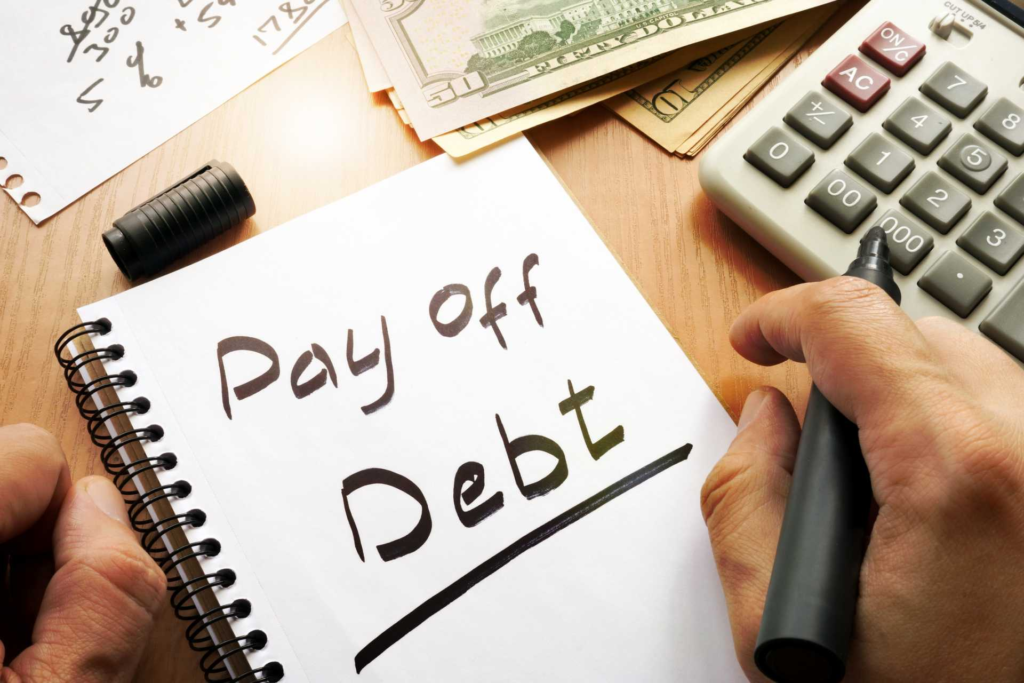
Paying off debt is a major achievement, but staying debt-free requires strong habits. Building an emergency fund can help cover unexpected expenses without relying on credit. Creating a realistic budget keeps spending aligned with income and goals. Using credit responsibly, paying balances in full when possible, and avoiding unnecessary borrowing all support long-term success. Debt freedom is not only about repayment, it is about creating a lifestyle that protects your financial future.
CLICK HERE TO KNOW MORE ABOUT ACCOUNTING.


Pingback: Personal Finance Reset: Fix Your Budget and Boost Your Cash Flow in 30 Days – Esvea Accounting® Making money %