
Steps to Take Before the Auditor Arrives
Review and Verify Financial Records
Start by carefully reviewing all financial statements and supporting documents. Ensure that every transaction has proper documentation such as invoices, receipts, and bank statements. Check for errors or inconsistencies that could raise questions during the audit.
Conduct an Internal Audit
Before the official audit, perform a mini internal review. This helps you identify and correct issues like missing documents, incorrect entries, or unbalanced accounts. Addressing these early prevents delays and builds confidence when the auditor arrives.
Prepare Your Team and Workspace
Inform your staff about the audit schedule and their responsibilities. Assign point persons to provide documents or answer auditor questions. Prepare a dedicated workspace for the auditor with easy access to organized records and necessary tools.

Common Red Flags That Trigger Audits
Unusual or Unexplained Transactions
Large, inconsistent, or repetitive transactions can catch an auditor’s attention. Always keep detailed explanations and supporting documents ready for these entries.
Missing or Incomplete Documentation
Receipts, invoices, and other proof of payment must be properly filed. Missing documents or unclear justifications often lead to extended audit reviews.
Inaccurate or Inconsistent Reporting
Discrepancies between financial reports, tax filings, or prior year figures can raise suspicion. Regular reconciliation and consistency checks reduce the risk of triggering an audit.
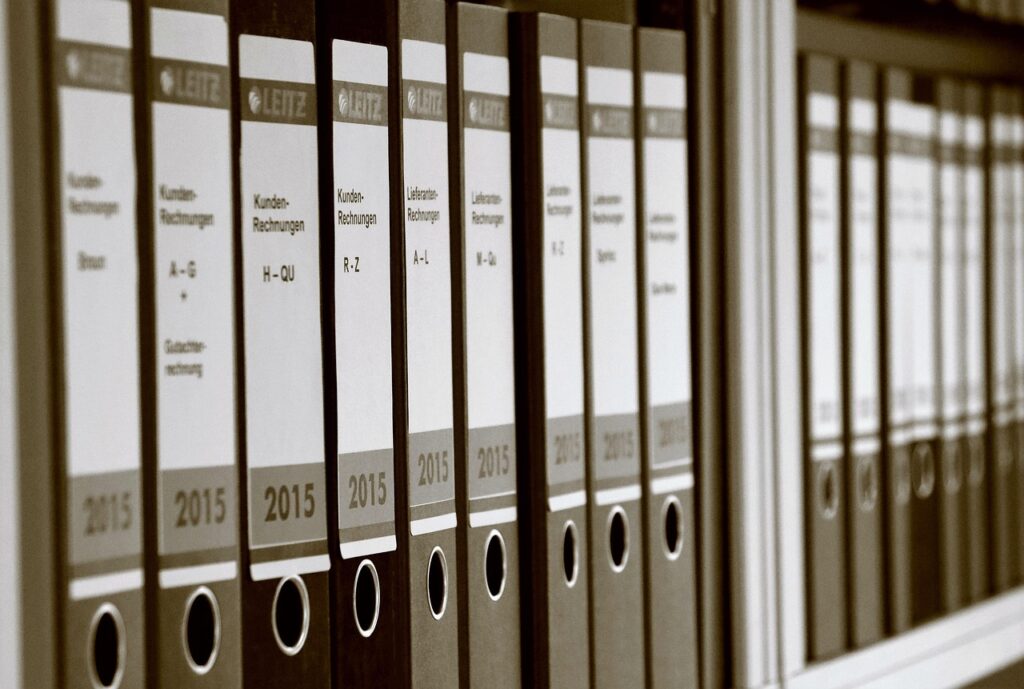
How to Organize Your Financial Records
Categorize and Label Everything Clearly
Sort your files by type — invoices, payroll, tax documents, and expense reports. Use clear labels and naming systems for easy access and tracking.
Use Digital Tools for Efficiency
Consider storing files in a secure cloud-based system. This allows for quick retrieval, backup, and sharing with auditors while maintaining data safety.
Maintain Confidentiality and Security
Ensure sensitive financial data is stored securely and accessible only to authorized personnel. Protect both physical and digital copies with proper permissions.

Working with an Auditor: Best Practices
Be Transparent and Cooperative
Provide requested documents promptly and be honest about any discrepancies you’ve discovered. Transparency builds trust and makes the audit more efficient.
Communicate Clearly and Professionally
Keep open communication lines throughout the process. If any instruction or request seems unclear, don’t hesitate to ask for clarification to avoid misunderstandings.
Review and Act on Audit Findings
Once the audit is complete, review the report carefully. Address recommendations immediately, correct identified issues, and apply lessons learned to strengthen future financial practices.



Pingback: How to Build Financial Discipline – Esvea Accounting ®