
Every successful business depends on understanding its finances, but many business owners assume bookkeeping and accounting are the same thing. While both deal with financial information, they serve very different purposes. Bookkeeping focuses on recording what has already happened, while accounting uses those records to help you understand where your business is headed. Knowing how these two functions work together can help you make smarter decisions, avoid financial surprises, and build a business that is prepared for long-term success.
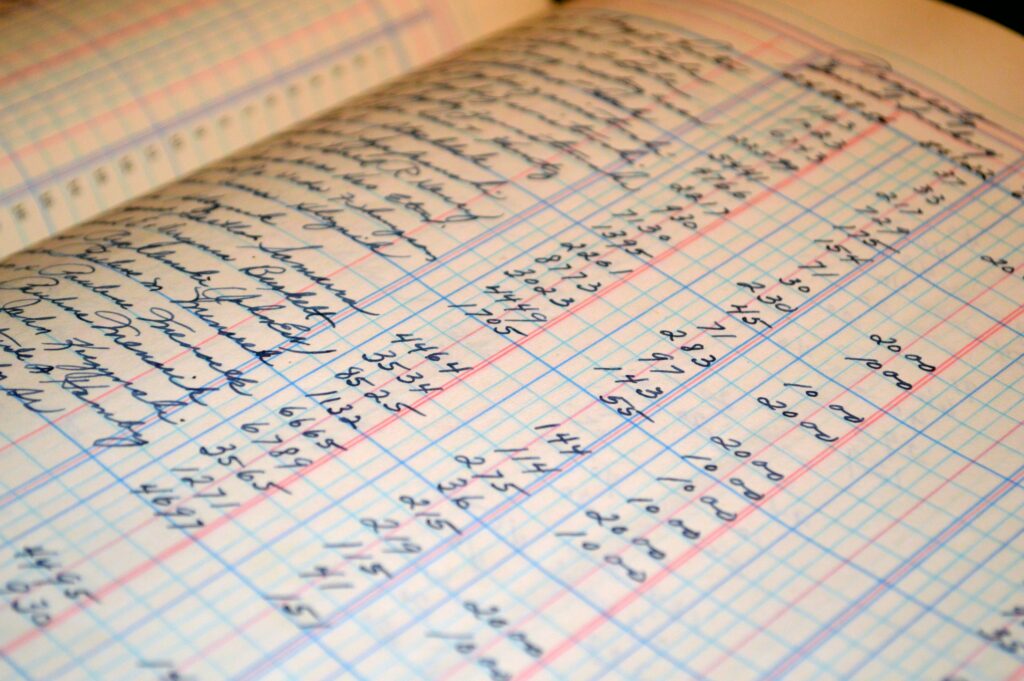
Bookkeeping Creates a Clear Record of Your Business History
Bookkeeping is the foundation of your financial system. Every sale, expense, invoice, payroll transaction, and payment is carefully recorded to create an accurate history of your business activities. These records ensure that nothing is overlooked and that your financial information remains organized throughout the year.
Without proper bookkeeping, business owners often struggle to answer simple but important questions. How much profit did the business make last month? Which customers still owe payments? How much was spent on operating expenses? Accurate bookkeeping provides reliable answers because every transaction has been documented. It also makes tax preparation easier, reduces costly mistakes, and gives accountants trustworthy data to work with. Think of bookkeeping as your business’s financial memory. It preserves everything that has already happened so you always have a clear record to reference.

Accounting Transforms Financial Data Into Better Business Decisions
Once bookkeeping has organized your financial records, accounting takes those numbers and explains what they actually mean. Instead of simply reporting income and expenses, accounting analyzes trends, measures profitability, evaluates cash flow, and identifies areas where the business can improve.
For example, bookkeeping may show that your sales increased by twenty percent over the past six months. Accounting goes a step further by determining whether that growth actually increased profits or whether rising expenses reduced your earnings. It can also identify seasonal patterns, forecast future revenue, and recommend strategies that support sustainable growth. This allows business owners to make decisions based on facts rather than assumptions, reducing risk while increasing confidence in every financial move.

Looking Back Helps You Prepare for What’s Ahead
Your past financial performance often provides valuable clues about your future. Historical records reveal spending habits, customer buying patterns, recurring expenses, and revenue trends that might otherwise go unnoticed. Bookkeeping captures this information, while accounting uses it to predict what may happen next.
This forward-looking approach helps businesses prepare budgets, estimate future cash flow, plan for expansion, and avoid financial challenges before they become serious problems. Rather than reacting to unexpected situations, business owners can anticipate them and create strategies that keep operations running smoothly. When you understand where your business has been, you are much better equipped to decide where it should go next.

Why Every Growing Business Needs Both Bookkeeping and Accounting
Some business owners believe bookkeeping alone is enough, while others focus only on accounting reports. In reality, neither works effectively without the other. Accurate bookkeeping provides the reliable financial information that accounting depends on, while accounting gives purpose and direction to the numbers recorded through bookkeeping.
Together, they create a complete financial system that supports smarter budgeting, better cash flow management, improved profitability, and stronger long-term planning. Whether you are running a small startup or an established company, combining consistent bookkeeping with professional accounting allows you to make informed decisions, identify opportunities for growth, and stay financially prepared for whatever comes next.

Conclusion
Bookkeeping tells the story of where your business has been, while accounting helps write the next chapter. One records every financial event with accuracy, and the other transforms that information into practical strategies for growth. When both work together, you gain more than organized records. You gain the knowledge needed to make confident decisions, manage your finances wisely, and build a business that is ready for the future. Instead of viewing bookkeeping and accounting as separate tasks, think of them as two essential tools that work side by side to help your business succeed.

Looking for Ready-to-Use Financial Templates
If you’d rather skip building spreadsheets from scratch, check out my Etsy shop for professionally designed budget planners, bookkeeping templates, expense trackers, and business finance tools.
Click Here to Learn High-Income Skills Online Without Spending Money.