
Making more money should improve your financial future, but many people find themselves in the same financial position even after receiving raises, promotions, or additional income. This often happens because of lifestyle inflation, a common personal finance challenge that gradually increases spending as income grows. While earning more can create opportunities for savings, investing, and financial growth, uncontrolled spending can quietly reduce cash flow and make long-term money-making goals harder to achieve. Understanding how lifestyle inflation works is an important step toward building stronger budgeting habits and achieving lasting financial success.
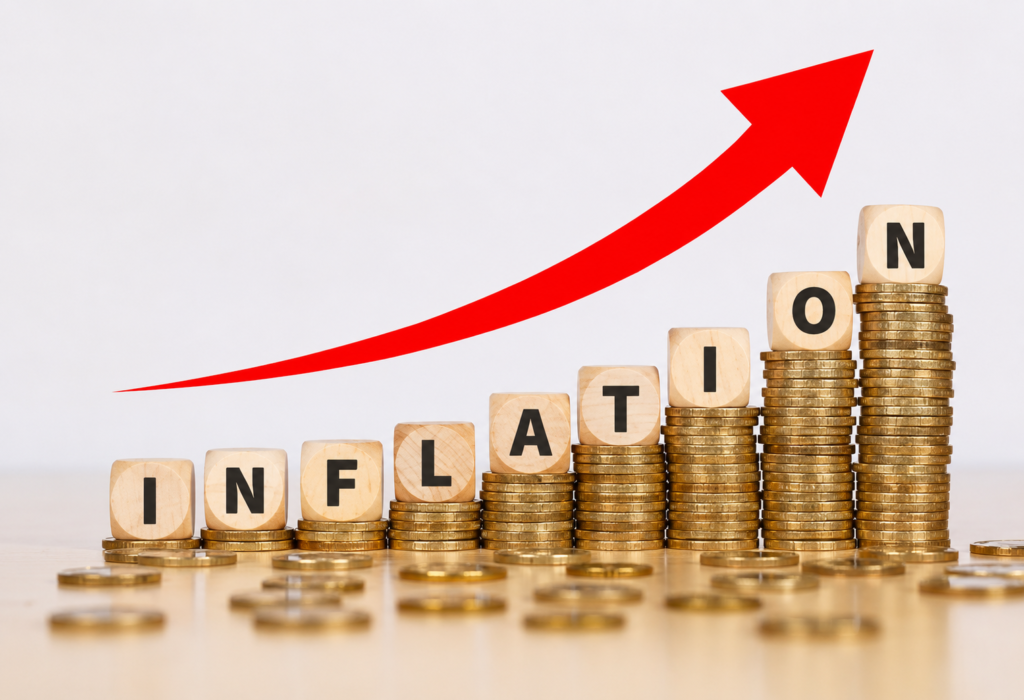
Understanding Lifestyle Inflation and Spending Habits
Lifestyle inflation occurs when spending increases alongside income. Instead of directing additional earnings toward savings, investments, or debt reduction, people often upgrade their lifestyle through larger homes, newer vehicles, premium subscriptions, frequent dining out, or luxury purchases. While occasional upgrades can improve quality of life, consistently increasing expenses can make it difficult to build wealth over time.
Many people experience lifestyle inflation without realizing it. Small spending increases often feel harmless because they are spread across different areas of life. However, these expenses can gradually consume the extra income that could have supported financial growth. Developing awareness of spending habits helps individuals make intentional decisions that align with their personal finance goals rather than reacting to every increase in income.

Budgeting Systems That Keep Financial Growth Sustainable
A strong budgeting system creates a framework for managing income while preventing unnecessary lifestyle inflation. Budgeting is not about restricting spending. It is about giving every dollar a purpose and maintaining control over cash flow.
As income grows, budgets should evolve with clear priorities that include saving, investing, and future planning. Creating spending limits for discretionary purchases can help maintain balance while still allowing room for enjoyment. Tracking monthly expenses also provides valuable accounting insights that reveal where money is going and whether spending patterns support long-term goals.
When budgeting becomes a regular habit, individuals are better positioned to make thoughtful financial decisions instead of allowing higher income to automatically lead to higher expenses.

Ways to Increase Savings While Income Grows
One of the most effective personal finance strategies is increasing savings whenever income rises. Instead of spending every additional dollar earned, a portion can be directed toward emergency funds, retirement accounts, investment portfolios, or other financial goals.
Automating savings contributions makes the process easier and reduces the temptation to spend extra income. Even modest increases in savings rates can produce substantial results over time through compound growth. This approach allows individuals to enjoy some lifestyle improvements while still building a stronger financial foundation.
Maintaining healthy savings habits also improves flexibility during unexpected financial situations. A strong savings cushion protects cash flow and helps reduce reliance on debt when challenges arise.
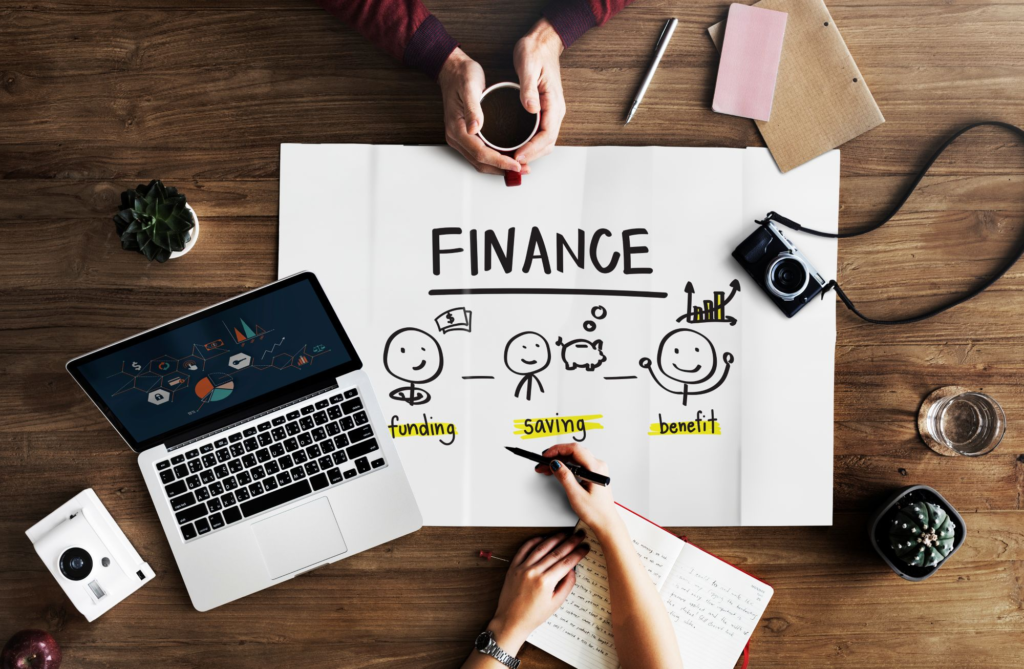
Building Long Term Financial Discipline
Long-term financial success depends on discipline rather than income alone. Many high-income earners still struggle financially because spending grows as quickly as earnings. Financial discipline helps ensure that income increases contribute to wealth creation rather than simply funding a more expensive lifestyle.
Developing clear financial goals can make it easier to stay focused. Whether the objective is generating passive income, growing investments, purchasing a home, or building a successful side hustle, disciplined financial habits create a path toward those outcomes. Consistency is often more important than dramatic changes, as small positive actions repeated over time can produce significant results.
Strong accounting awareness, responsible budgeting, and intentional spending choices all work together to support lasting financial growth. These habits help individuals maintain control over their finances regardless of income level.
Conclusion
Lifestyle inflation can quietly undermine even the best money-making opportunities if spending rises as quickly as income. By understanding spending habits, maintaining an effective budgeting system, increasing savings, and practicing long-term financial discipline, it becomes possible to build stronger cash flow and achieve meaningful financial growth. The key is making sure that every increase in income works toward your personal finance goals rather than disappearing into higher expenses.
CLICK HERE TO KNOW MORE ABOUT ESVEA ACCOUNTING.