
Building an emergency fund is one of the most practical steps you can take to protect your finances from unexpected setbacks. Life has a way of throwing surprises such as medical expenses, job loss, or urgent home repairs, and without a financial cushion, these situations can quickly turn into long-term debt. An emergency fund gives you breathing room, allowing you to handle problems without relying on credit cards or loans. It is not about being wealthy, but about being prepared and staying in control when things do not go as planned.

Why emergency funds matter
An emergency fund acts as your financial safety net, helping you stay afloat during sudden disruptions. Without it, even a minor expense can force you to borrow money or miss important payments, which can create a cycle that is hard to break. Having cash set aside reduces stress and gives you the flexibility to make better decisions instead of reacting out of urgency. It also helps protect your long-term goals, since you will not have to dip into savings meant for investments, business plans, or major purchases.
How to compute your ideal amount
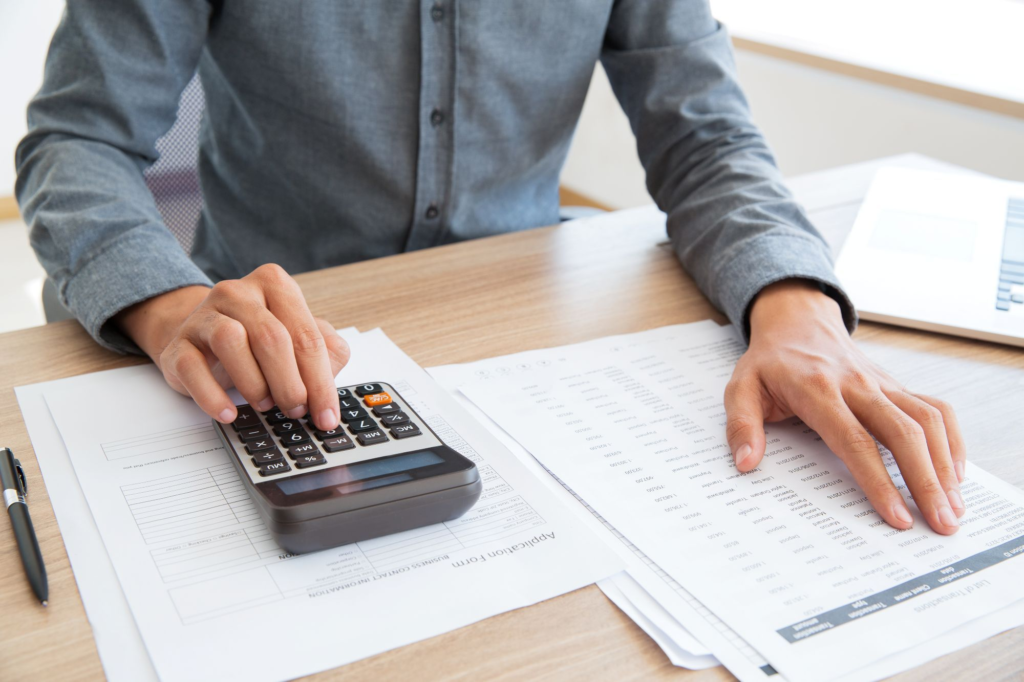
The right amount for an emergency fund depends on your lifestyle, income stability, and monthly expenses. A common guideline is to save at least three to six months’ worth of essential expenses, including rent, food, utilities, and transportation. If your income is irregular or you are self-employed, aiming for a larger buffer can provide extra security. The key is to focus on your actual needs rather than copying someone else’s number, and to build the fund gradually so it becomes sustainable.
Where to store your emergency fund
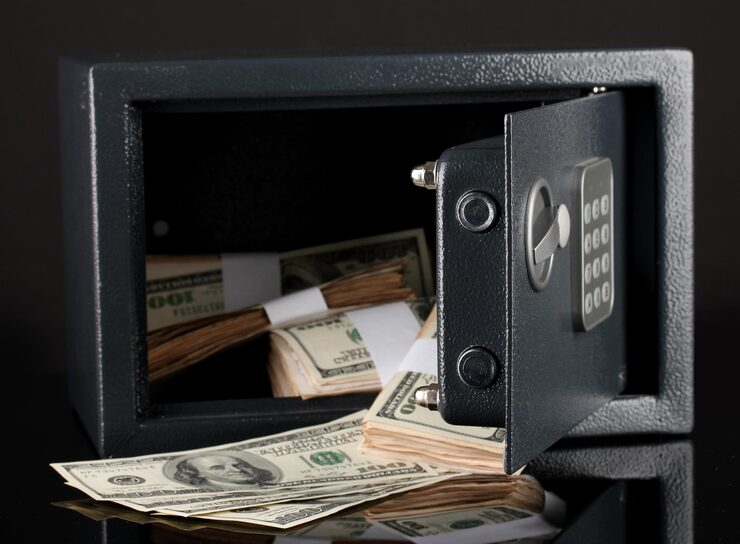
Your emergency fund should be kept in a place that is both safe and easy to access. A high-yield savings account is often a good option because it allows your money to grow slightly while remaining liquid. The goal is not to chase high returns but to ensure that your funds are available when needed without penalties or delays. Keeping it separate from your daily spending account can also help prevent accidental use.
When it’s okay to use it
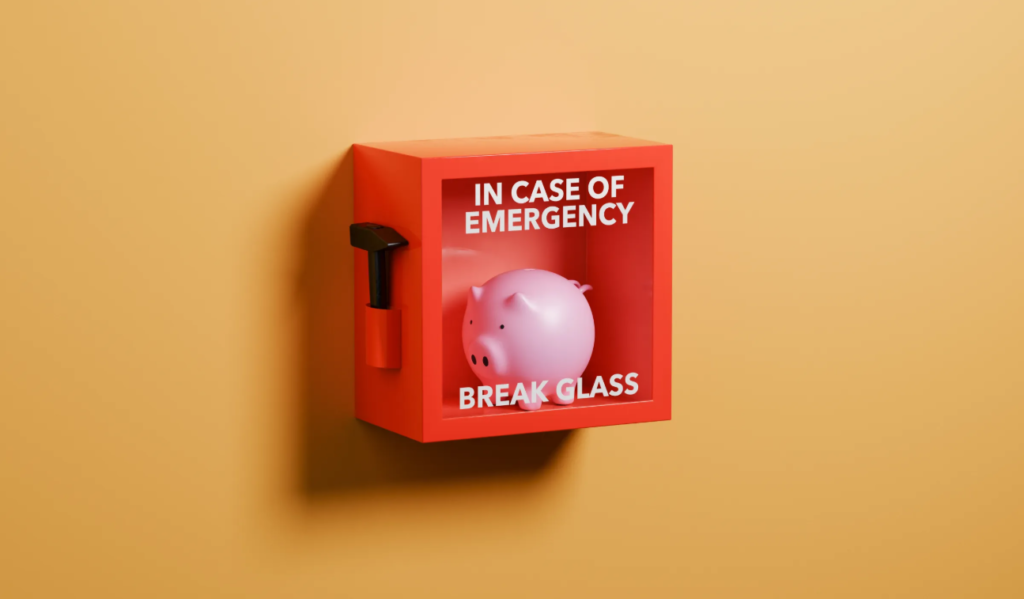
An emergency fund should only be used for genuine, unexpected situations that affect your ability to maintain your basic needs. This includes events like medical emergencies, sudden job loss, or urgent repairs. It is important to avoid using it for planned expenses, shopping, or non-essential purchases, as this defeats its purpose. After using any portion of your fund, rebuilding it should become a priority so you remain protected for the future.
CLICK HERE TO KNOW MORE ABOUT ACCOUNTING.



Pingback: Understanding Financial Statements: A Simple Introduction to Reading Your Numbers – Esvea Accounting®