
Managing finances is one of the most important parts of running a small business, yet it is often the most overlooked. Bookkeeping does not have to be complicated or overwhelming. At its core, it is simply about keeping accurate records of money coming in and going out. When done consistently, it gives you a clear picture of your business performance, helps you make better decisions, and keeps you prepared for taxes and unexpected expenses. Whether you are just starting out or trying to clean up your current system, understanding the basics of bookkeeping can save you time, stress, and costly mistakes down the line.

Recording Daily Transactions
Recording daily transactions is the foundation of good bookkeeping. Every sale, expense, payment, or deposit should be tracked as it happens to avoid missing details later. Waiting too long to log transactions often leads to forgotten expenses or incorrect numbers, which can affect your financial reports. By making it a habit to record transactions daily, you create a reliable record that reflects the true state of your business. This also helps you monitor cash flow in real time, so you always know how much money is available and where it is being spent. Even a simple system, as long as it is consistent, can go a long way in keeping your finances accurate and manageable.
Organizing Receipts and Invoices
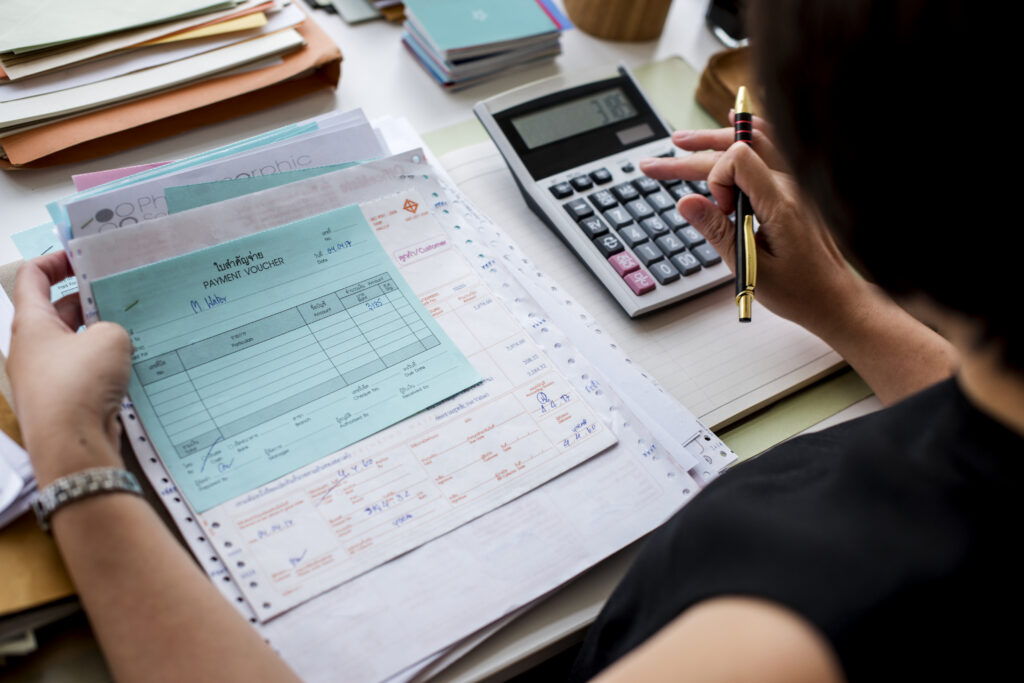
Keeping receipts and invoices organized is just as important as recording transactions. These documents serve as proof of your business activities and are essential for tax filing and audits. Without proper organization, it becomes difficult to verify expenses or track unpaid invoices. A good approach is to store receipts and invoices in a structured way, either digitally or physically, grouped by date or category. Digital storage is often more convenient, as it allows quick access and reduces the risk of losing important documents. When everything is easy to find, you save time during tax season and avoid unnecessary stress when reviewing your financial records.

Choosing Simple Bookkeeping Tools
You do not need complex systems to manage your books effectively. Many small businesses benefit from using simple bookkeeping tools that match their size and needs. Spreadsheets can work well for very small operations, while beginner-friendly accounting software offers features like automatic calculations, expense tracking, and report generation. The key is to choose a tool that you can use consistently without confusion. A simple and reliable system is always better than a complicated one that you avoid using. As your business grows, you can always upgrade to more advanced tools, but starting simple helps you build strong habits from the beginning.
Monthly Reconciliation Basics
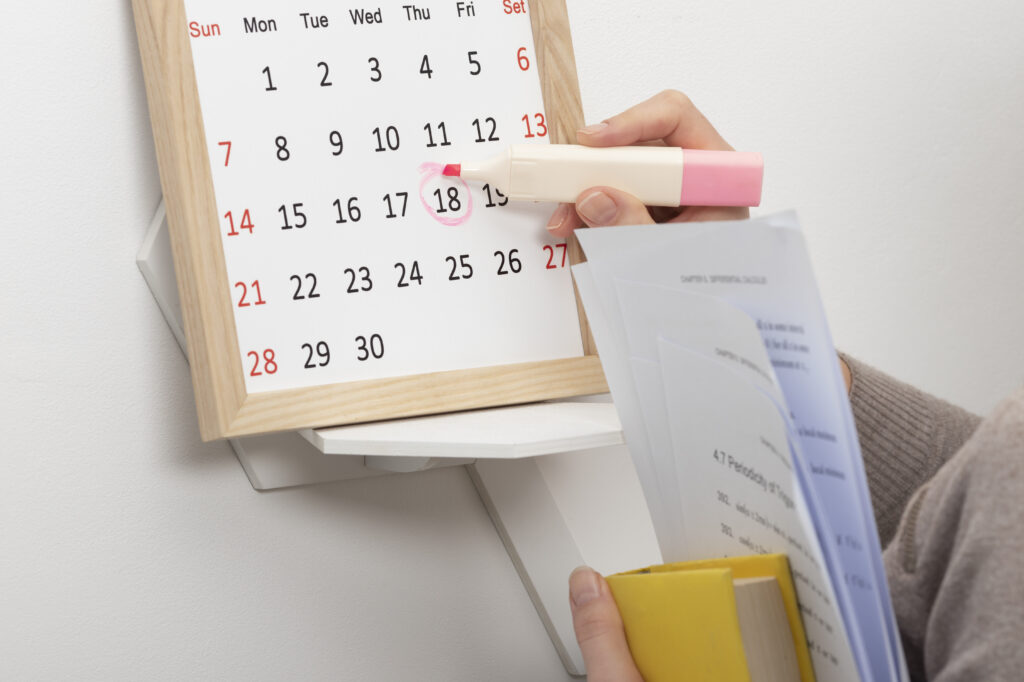
Monthly reconciliation is the process of comparing your recorded transactions with your bank statements to ensure everything matches. This step helps catch errors, missing entries, or unauthorized transactions before they become bigger problems. By reviewing your accounts regularly, you can confirm that your records are accurate and up to date. It also gives you a chance to spot patterns in your spending and income, which can guide better financial decisions. Setting aside time each month for reconciliation keeps your books clean and prevents issues from piling up over time.
Bookkeeping may seem like a small part of running a business, but it plays a major role in keeping everything on track. With consistent recording, organized documents, simple tools, and regular checks, you build a system that supports your business growth and keeps your finances under control.
CLICK HERE TO KNOW MORE ABOUT ACCOUNTING.



Pingback: Emergency Funds: How Much Do You Really Need – Esvea Accounting®