
Saving money often feels like giving up the things you enjoy, but effective budgeting doesn’t have to feel restrictive. A well-planned budget gives you control over your finances while creating opportunities for money making, stronger cash flow, and long-term financial growth. Whether you’re managing a regular paycheck, earning income from a side hustle, or balancing multiple income streams, the right personal finance and accounting habits can make saving money feel natural instead of stressful. By building a budgeting system that fits your lifestyle, you can reduce financial anxiety, reach your goals faster, and make smarter decisions with every dollar you earn.

Building a Personal Finance System That Works
A successful budget starts with a system you can realistically maintain over time. Instead of copying someone else’s budgeting method, focus on creating a personal finance system that matches your income, spending habits, and financial goals. Begin by understanding exactly how much money comes in each month and where it goes. Tracking your income and expenses gives you a complete picture of your financial health and helps you identify areas where small adjustments can make a big difference. Good accounting habits, even for personal finances, allow you to stay organized and make informed decisions instead of relying on guesswork. As your income grows through money making opportunities or a side hustle, having a reliable budgeting system makes it much easier to manage your cash flow and continue building wealth.
How to Create Spending Limits Without Feeling Restricted
Many people avoid budgeting because they believe it means saying no to everything they enjoy. In reality, a good budget is designed to support your priorities, not eliminate them. Instead of focusing on what you cannot buy, decide where your money will bring the most value. Setting realistic spending limits for entertainment, dining, shopping, and hobbies allows you to enjoy life without feeling guilty or overspending. At the same time, setting aside money for savings and future investments helps create a healthier financial future. Flexible budgeting encourages balance rather than perfection, making it much easier to stick with your financial plan over the long term. When your spending aligns with your goals, saving money becomes a natural part of your routine instead of a constant struggle.
Budgeting Strategies for Irregular Income
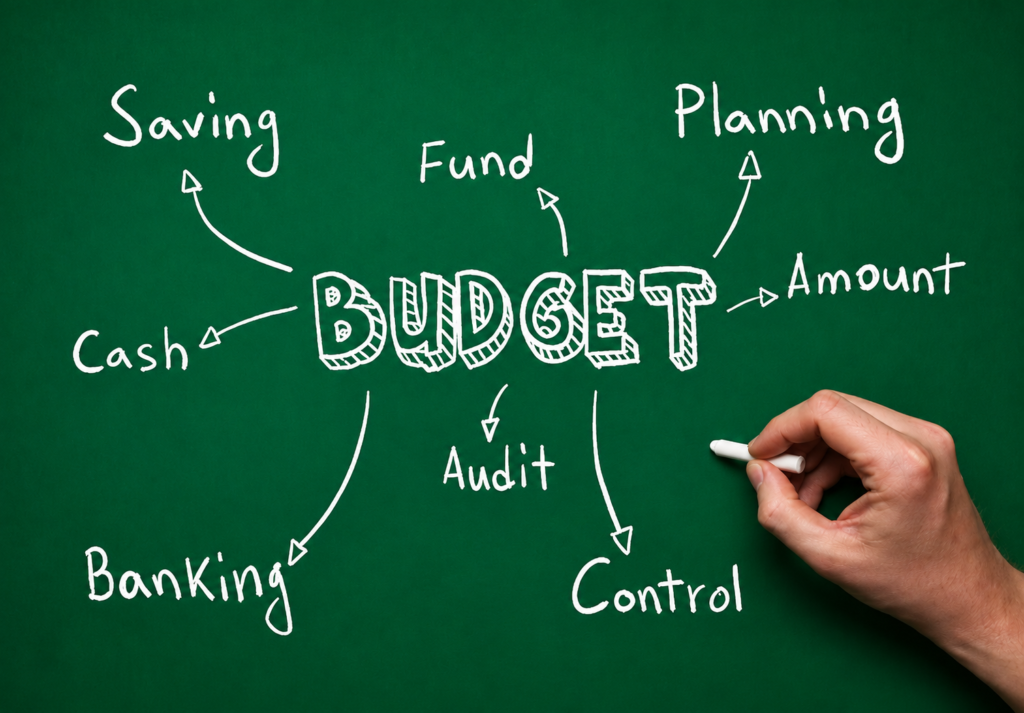
Managing finances becomes more challenging when your income changes from month to month. Freelancers, business owners, commission-based employees, and people with side hustles often experience fluctuating earnings, making traditional budgeting less effective. Instead of planning around your highest-income months, build your budget using your average or minimum expected income. During months when you earn more, use the extra cash to strengthen your emergency fund, pay down debt, or invest in opportunities that support future financial growth. Maintaining a cash reserve provides stability during slower periods and reduces financial stress when income temporarily decreases. Careful budgeting combined with accurate accounting records allows you to manage unpredictable cash flow with greater confidence while keeping your long-term financial goals on track.

Tracking Financial Progress Month After Month
One of the most rewarding parts of budgeting is seeing your financial progress over time. Regularly reviewing your income, expenses, savings, and overall cash flow helps you understand whether your current financial habits are moving you closer to your goals. Tracking monthly progress also allows you to recognize positive trends, celebrate milestones, and identify areas that may need improvement before they become larger problems. Using budgeting apps, accounting software, or simple spreadsheets makes it easy to monitor your financial performance and stay accountable. As your money making efforts grow through promotions, investments, passive income, or a successful side hustle, reviewing your finances each month helps ensure your increased income is supporting long-term financial success rather than disappearing through unnecessary spending.
Conclusion
Budgeting doesn’t have to feel restrictive or complicated. When you create a system that fits your lifestyle, manage your cash flow wisely, and consistently track your financial progress, saving money becomes much easier. Strong personal finance and accounting habits help you make better decisions, support new money making opportunities, and build lasting financial growth. Start with small changes, stay consistent, and remember that every smart financial decision you make today brings you one step closer to greater financial freedom tomorrow.
CLICK HERE TO KNOW MORE ABOUT ESVEA ACCOUNTING.