
Building better finances does not always require a massive income increase or overnight success. In many cases, real financial growth starts with small money making habits, smarter budgeting, and understanding how to manage cash flow more effectively. Whether you are trying to improve your personal finance situation, grow a side hustle, or create passive income streams, combining simple accounting habits with consistent financial decisions can completely change the direction of your future.

Start With Small Income Wins That Build Momentum
One of the biggest mistakes people make when trying to improve their finances is focusing only on huge financial goals while ignoring small income opportunities that can create momentum. Real money making success often begins with simple actions that slowly build confidence and consistency over time. Small side hustles, freelance work, online selling, content creation, or skill-based services may not create life-changing income immediately, but they can create extra cash flow that improves financial stability little by little.
The psychological impact of earning even a small amount of additional income can be powerful. It changes the way people think about money and creates motivation to continue improving their financial habits. Instead of feeling trapped financially, people begin recognizing that there are multiple ways to increase income outside of a traditional paycheck.
This is also where personal finance awareness becomes important. Extra income alone does not automatically create financial growth if spending habits remain uncontrolled. Small income wins work best when combined with better budgeting and intentional financial management. Over time, consistent effort creates stronger opportunities for long term money making and financial stability.
Use Budgeting to Create Space for Saving and Investing
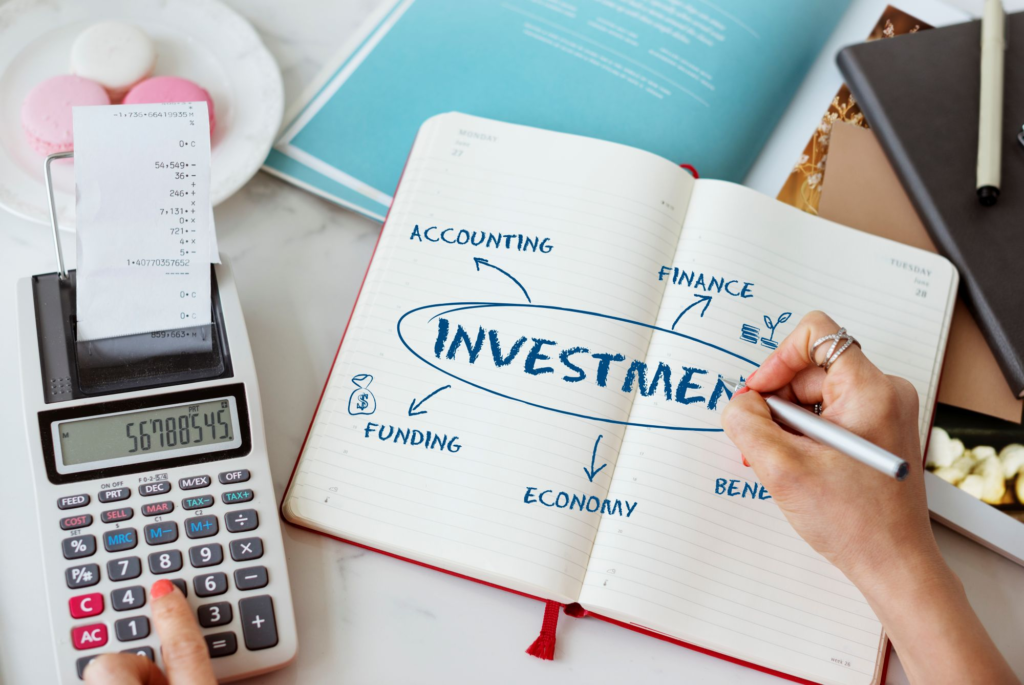
Budgeting is often misunderstood as restriction, but in reality, budgeting creates freedom and financial direction. A strong budget helps you understand where your income is going, how your cash flow behaves each month, and where adjustments can be made to support financial growth. Without budgeting, many people unknowingly waste money on small expenses that slowly reduce their ability to save or invest.
Creating a realistic budget does not mean removing all enjoyment from your life. It simply means becoming more intentional with your spending habits. Once you begin tracking expenses consistently, you start noticing areas where money can be redirected toward savings accounts, investments, emergency funds, or future business opportunities.
Budgeting also creates stronger control over cash flow. Many people earn decent income but still struggle financially because expenses increase alongside earnings. A proper budgeting system helps prevent lifestyle inflation and keeps financial goals organized. Even small amounts saved consistently can grow significantly over time and become the foundation for future investments or passive income opportunities.
Strong budgeting habits also reduce financial stress because they replace uncertainty with awareness. Instead of guessing whether money is available, you already understand your financial situation clearly through organized tracking and planning.

Apply Accounting Habits to Track Real Financial Progress
Accounting is not only for businesses or accountants. Basic accounting habits can become one of the most valuable tools for personal finance and money management. At its core, accounting simply means understanding how money moves in and out of your life. It helps you track income, monitor expenses, measure financial growth, and make informed decisions based on real numbers instead of assumptions.
Many people believe they are making financial progress simply because they are earning more money. But without tracking actual expenses, debt, savings, and cash flow, it becomes difficult to know whether financial growth is truly happening. Accounting creates clarity by showing what is actually improving and what still needs attention.
Tracking finances consistently also helps identify patterns that may be slowing progress. Some expenses may be draining cash flow more than expected, while certain side hustle opportunities may be generating stronger returns than originally assumed. These insights allow people to make smarter financial decisions and focus their energy on activities that support higher income potential.
Simple accounting habits can also improve financial discipline. When you regularly review spending, savings, and income reports, you naturally become more aware of your financial behavior. Over time, this awareness creates stronger money management habits and supports long term financial growth.
Turn Active Income Into Passive Income Streams
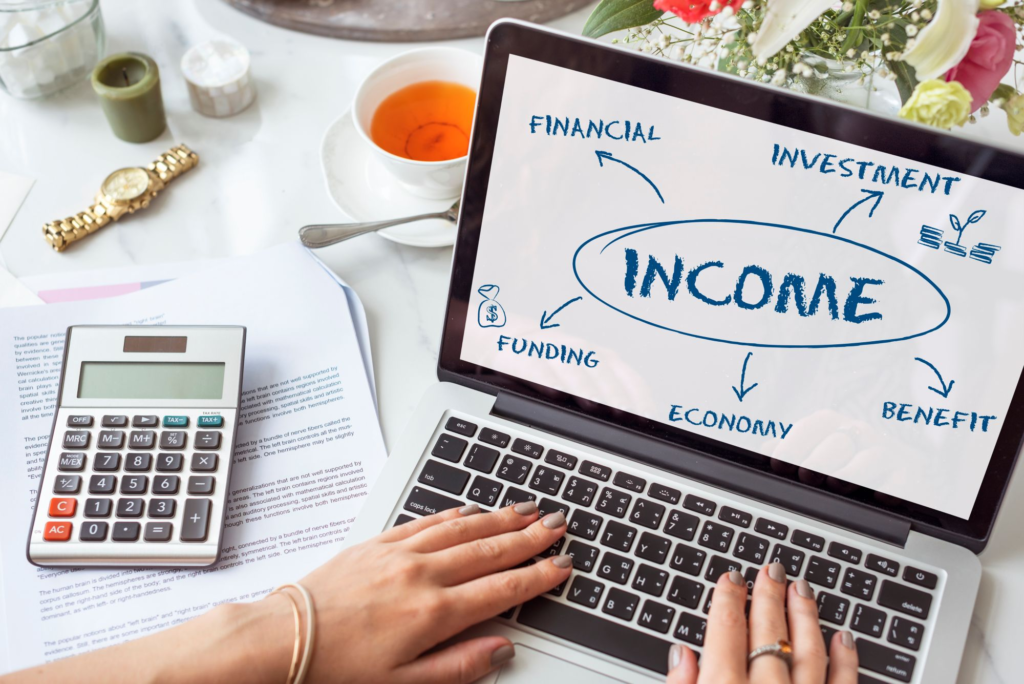
One of the most important financial shifts people can make is learning how to turn active income into passive income opportunities. Active income requires constant time and effort, while passive income creates earnings that continue even when you are not actively working every hour. Building passive income usually takes time, consistency, and financial discipline, but it can create long term stability and greater financial freedom.
Many passive income streams begin with money saved from active income sources. This could include investing in dividend stocks, building digital products, creating online content, renting out assets, or developing automated side hustle systems that continue generating revenue over time. The goal is not simply to earn more money, but to create financial systems that continue supporting your cash flow in the future.
This is why budgeting and accounting matter so much in the early stages of financial growth. Without organized finances and controlled spending habits, it becomes difficult to free up money for investments or passive income opportunities. Strong money management habits create the foundation needed to build additional income streams gradually.
As passive income grows, financial pressure often decreases because income becomes less dependent on trading time for money constantly. Over time, this creates more flexibility, stronger financial security, and greater control over future financial decisions.
Conclusion
Going from financially stressed to financially stable rarely happens overnight. It usually comes from consistent money making habits, smarter budgeting, organized accounting, and better cash flow management repeated over time. Small financial improvements may not feel dramatic in the beginning, but they create momentum that can completely change your financial future.
The key is starting now. Track your income, manage your spending intentionally, build additional income streams, and stay consistent with your personal finance habits. Long term financial growth is often built through simple actions done consistently, not through luck alone.
CLICK HERE TO KNOW MORE ABOUT ACCOUNTING.



Pingback: Cash Flow Secrets: Why You’re Always Short on Money and How to Fix It – Esvea Accounting® bookkeeping services